NEW
Marketplace is live, and schools can sell gear for free. Find out how.

Wingfoil & kitesurfing in Guincho, Portugal

Kitesurfing in Guincho: where to launch, when the Nortada blows, the local rules and what to do on a flat day.

KitesurfWingfoil
quick links
Kite Season
May - September
Conditions
Beach, Wave
Skill level
Advanced
Best for
Wave

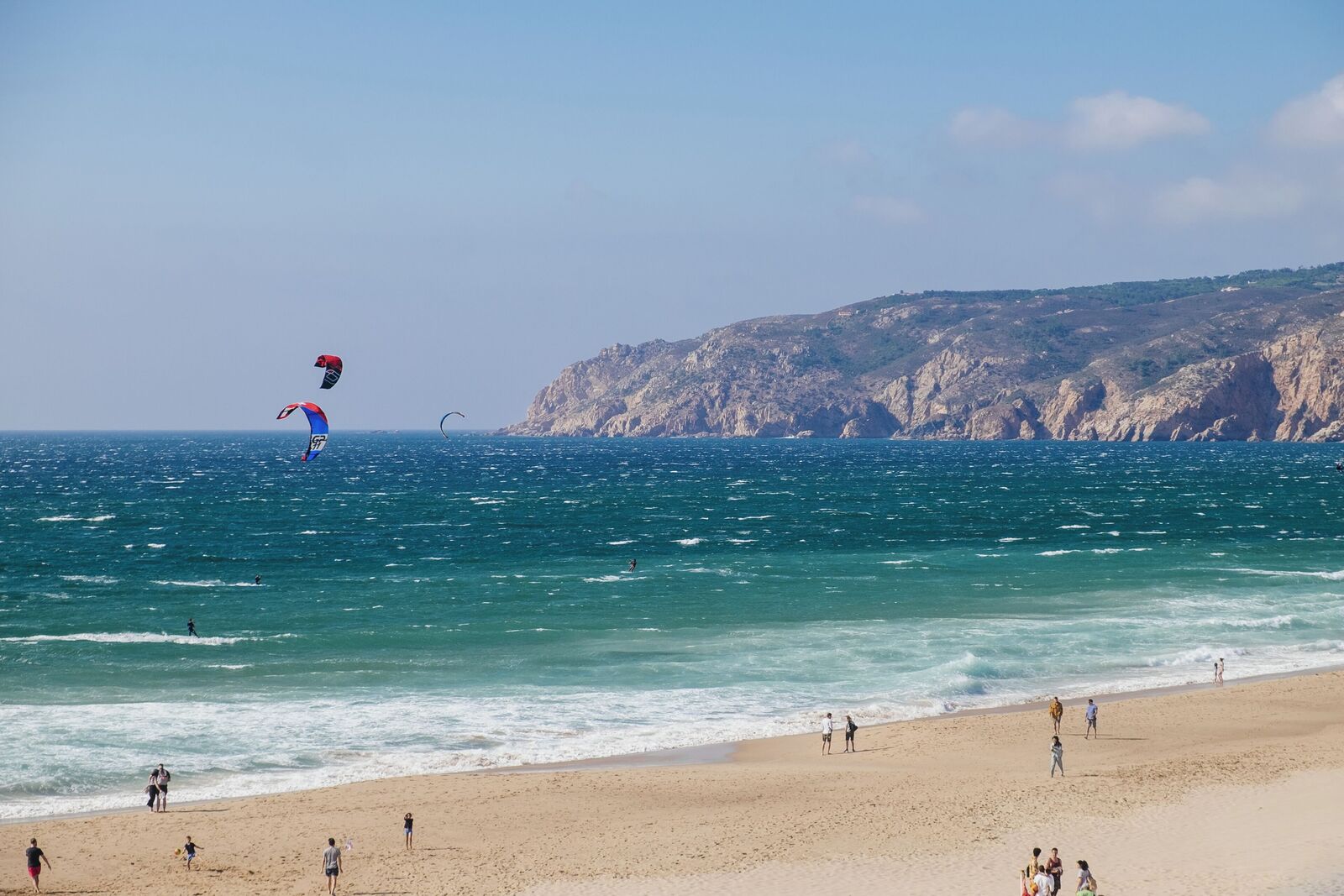
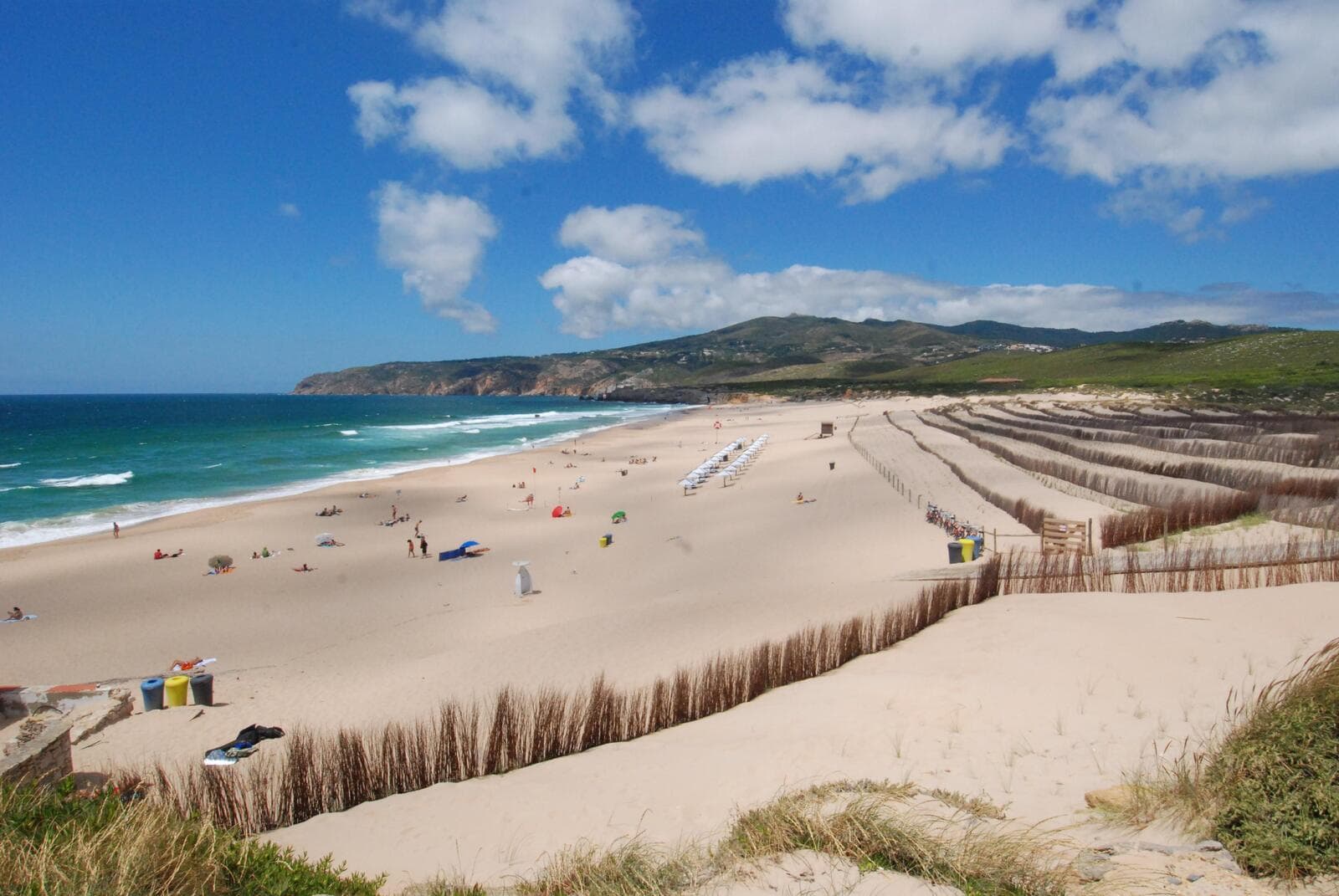
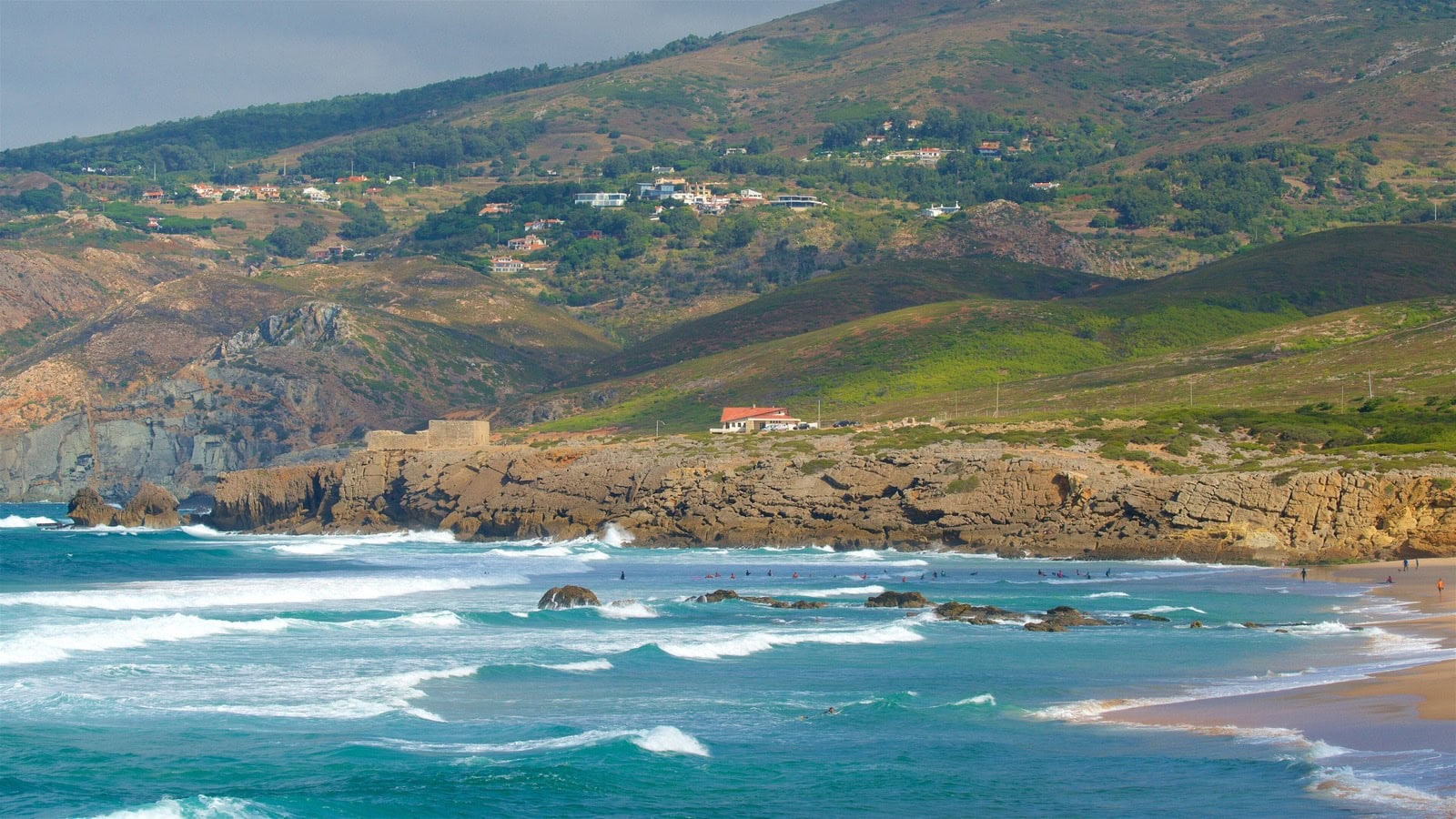
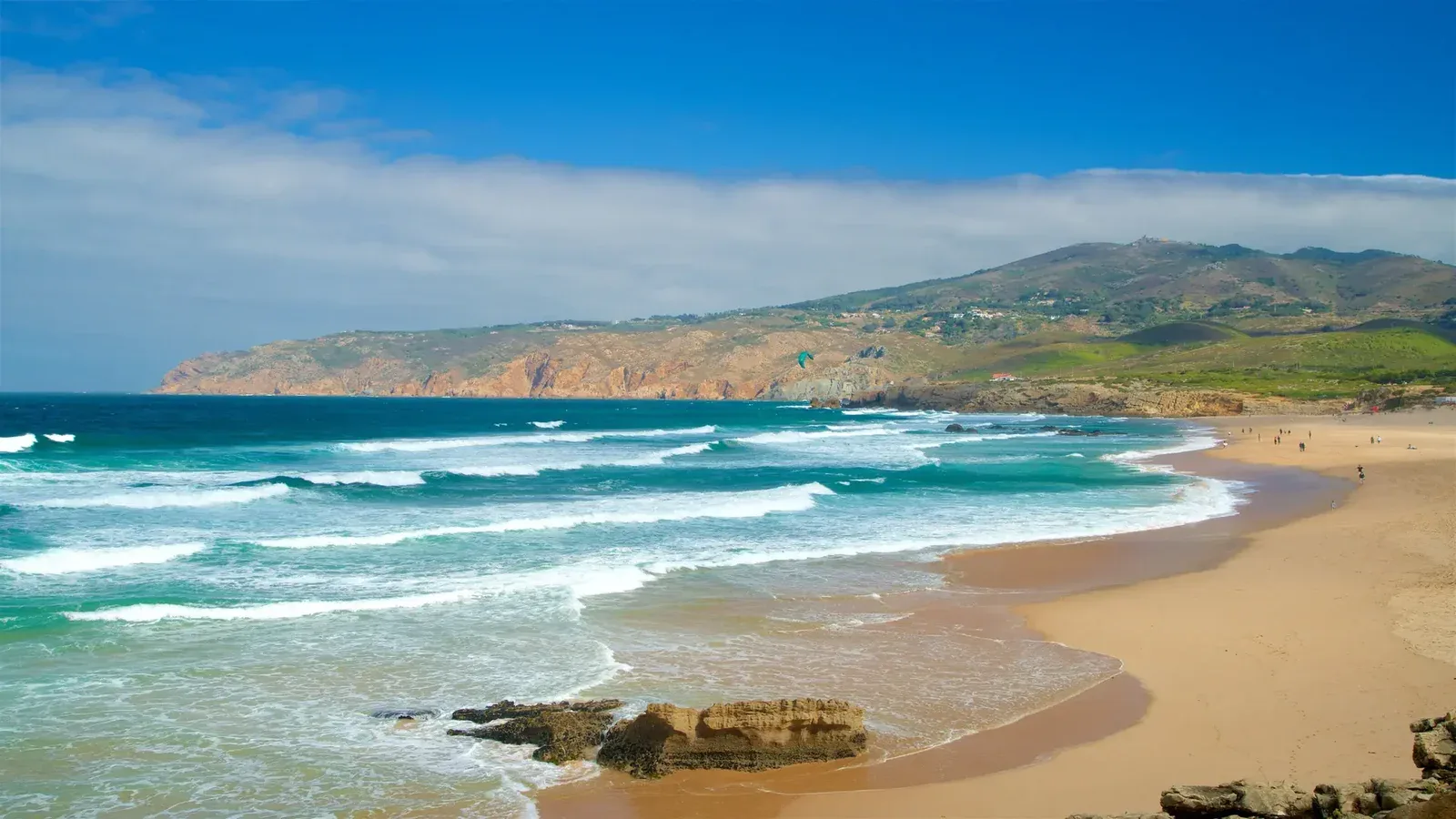
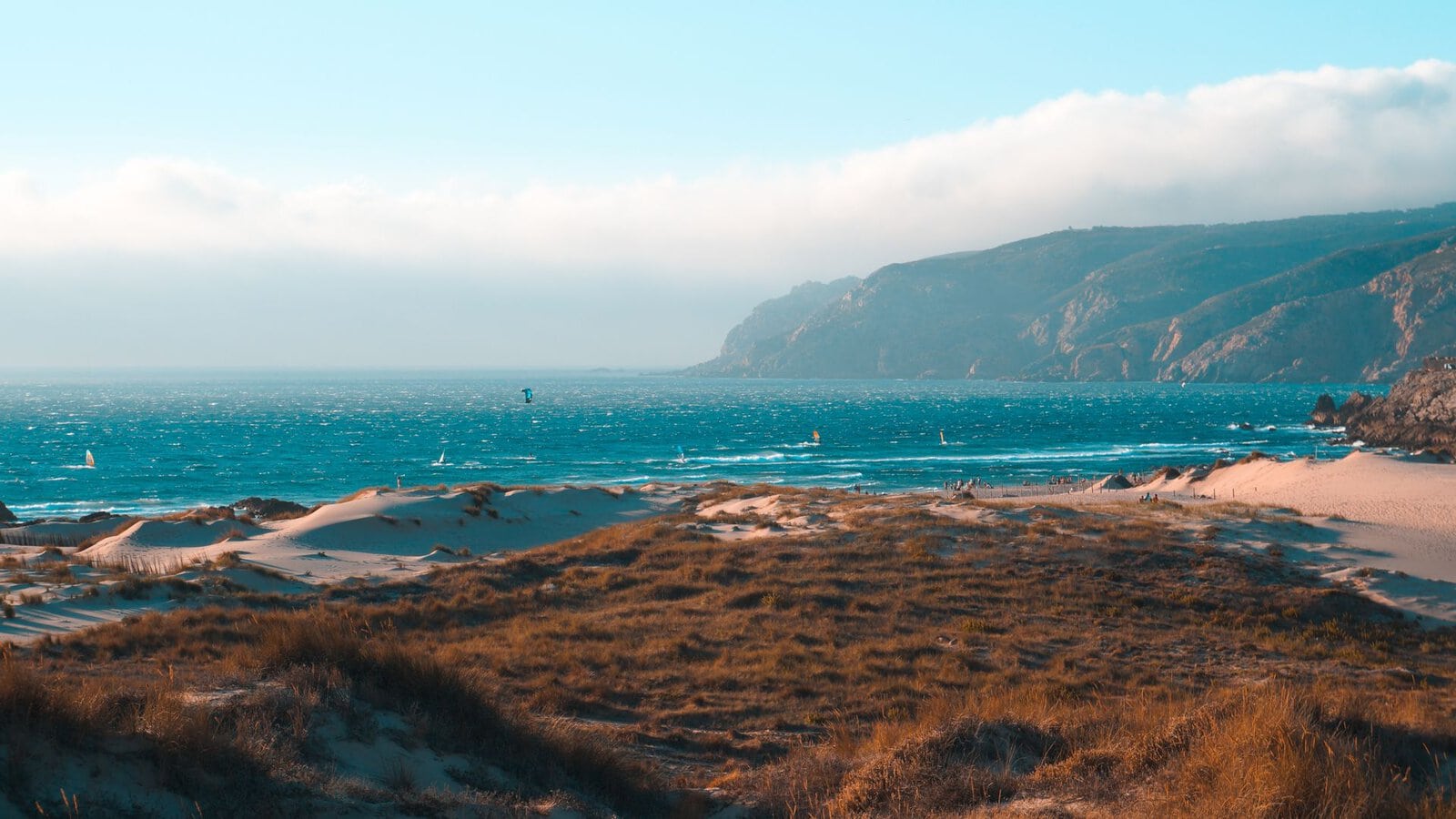
Praia do Guincho is a wide Atlantic beach about 5 km from the town of Cascais, inside the Sintra-Cascais Natural Park. The Serra de Sintra rises behind it, a dune system runs along its southern side, and the summer north wind has been pulling windsurfers and kiters here for years. Competitions have been held on this stretch of sand too.

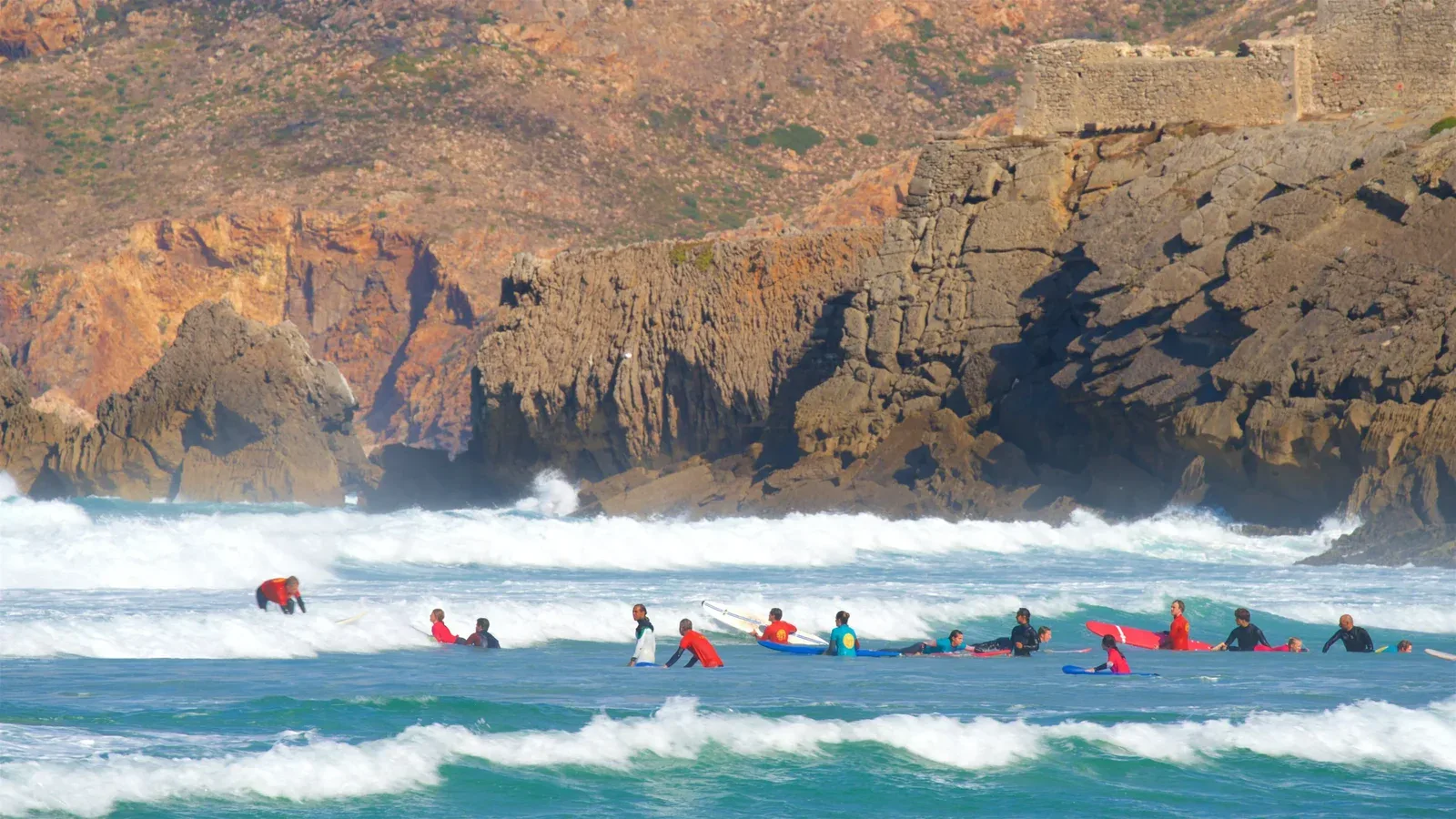
It is a proper spot with a proper temper. You get strong and gusty wind, a heavy shorebreak, currents and rocks, so riding here on your own suits experienced kiters. Local schools teach kitesurfing and wingfoil at Guincho, which is the sensible way in if you are still building your skills or have never ridden this coast.

This guide covers the season and how the wind behaves, the two launches either side of the middle rocks, the local rules, how to get there from Lisbon and a few good options for days when the kite stays in the bag. For more places to ride, have a look through our kite spot guides.

Kite season in Guincho & the best time to go

May to September is the main season, with July and August as the prime months. April and October can deliver good sessions as well. The wind behind it all is the Nortada, the Portuguese summer northerly, which the Sintra hills and the local sea breeze push harder at Guincho than you might expect from the regional forecast.

Plan around the afternoon. Summer mornings can be calm, then the wind builds from about midday and keeps climbing. Afternoons often sit around 15 to 25 knots, and the strong days reach 35 knots or more, with gusts on top. Small kites earn their place in your bag here.

The best directions run from west-northwest through to north. West-northwest and northwest arrive cross-onshore to cross-shore from the right. On warmer days the wind can swing to the north-northeast, which blows cross-offshore and gusty. If the day gets hot enough, it can turn northeast or east, head straight offshore and die. A kite in the water on one of those afternoons can drag you away from the beach, so come in early when you notice the shift.

The hills add their own quirks. Eddies behind the Serra de Sintra can swing the direction around and leave a pocket of dead air in the wave zone. Forecast models have a hard time with this local effect, so watch the water and the other riders before you rig.

Spring and autumn bring a better chance of big swell, but your odds of wind drop to around even. Winter has huge surf, plenty of rain and not many kiteable days.

Monthly wind numbers for the beach are patchy, and we couldn’t pin down dependable daytime averages. Get in touch with one of the kite schools at Guincho before you book and ask which weeks they rate for your level.

Kitesurfing spots in Guincho

Guincho is one bay with rocks at both ends and another outcrop in the middle. That middle section splits the beach into two launches, and the one you choose changes your session. Either way you will be carrying your gear a fair distance to the water.

Expect chop, waves and a shorebreak that gets meaner at high tide, more so when a swell is running. Summer waves are often a metre or two. Autumn and winter swells can be far bigger and belong to experts. The sea stays cool at about 15 to 18 °C, so pack a full wetsuit even in August.

1. North of the middle rocks

This is the side most kiters choose. The wind tends to be steadier here and the waves cleaner, which makes it the better place for wave riding. Starting north also gives you more room before the current can carry you down toward the steep cliffs at the southern end.

Check where the rocks sit at both low and high water before you launch, including the ones near the northern end that show up as the tide drops. Keep to the upwind side of the middle outcrop and leave yourself a clear way back to the sand. If your self-rescue is rusty, sort that out somewhere gentler first.

2. South of the middle rocks

The southern side shelves more gently, so you get more water you can stand in. Learners tend to gravitate here for that reason. The gentler slope does not turn it into an easy beach, because the same gusts, currents and shorebreak apply, and the cliffs are closer downwind.

Newer riders should come here with an instructor. Give the rocks a wide berth and keep an eye on how far down the bay you have drifted after each run.

Lessons, rental and wingfoil

Kitesurf and wingfoil lessons are both on offer at Guincho, and you can rent kite and wing gear locally. Wingfoil beginners can start behind a jet ski to get a feel for the foil before picking up the wing, which saves a lot of floundering in the chop. Lesson times follow the forecast, so keep your schedule loose and book a few days where you can.

On days when Guincho is too much, some schools move lessons south of Lisbon to Costa da Caparica or Lagoa de Albufeira. Our guide to kitesurfing at Lagoa de Albufeira covers the flat water option, and the kite school listings are a good place to compare lessons.
Rules & hazards

Local port rules cover kitesurfing along the Cascais coast. You may ride in daylight, and you need to be finished one hour before sunset. Stay within 2,000 m of the coast and carry a small orange flag made of quick-drying fabric to signal for help.

Bathing beaches have a 300 m exclusion zone from the waterline, and kiters must launch and land through the marked corridors. Guincho’s bathing season ran from 1 May to 30 September in 2026, which covers the windiest part of the year. Ask a local school where the corridor is and how the zones work on the day before you pump up. The rules we checked do not mention wingfoil by name, so ask about wings at the same time. Dates and rules can change.

The water needs respect. Strong currents run through the bay, the shorebreak can slam you on the way in or out, and rocks sit above and below the surface. Gusts arrive hard and the beach can throw a lot of sand around. Lifeguards work the bathing season and their job centres on swimmers, so ride with a buddy and be ready to rescue yourself. A helmet and impact vest are smart choices here.

The dunes behind the beach are protected and fragile. Stick to paths and boardwalks, keep your rigging off the vegetation and take all your rubbish home, line offcuts included.

How to get to Guincho

Fly into Lisbon Airport, which is about 35 minutes from Guincho by road in a clear run. Drivers take the A5 to Cascais and then follow the coast road out to the beach. There are car parks at both ends of the bay and along the road. On sunny summer weekends they fill well before midday, so get there early.

Without a car, catch the train from Cais do Sodré in Lisbon to Cascais, a ride of about 40 minutes. Mobi Cascais buses M05, M15 and M43 leave from the Cascais station area and take around 20 to 25 minutes to reach Guincho. Check the timetable before you set out. A taxi from Cascais takes about 10 to 15 minutes and is the easier choice with a board bag. There is also a cycle path along the coast road if you are travelling light.

No wind? What to do in Guincho on flat days?

Walk the Cresmina Dune boardwalks. Raised timber paths cross the dune system next to Guincho, with information panels on the plants and wildlife. The small interpretation centre is the natural starting point, and the boardwalks let you explore without trampling anything.

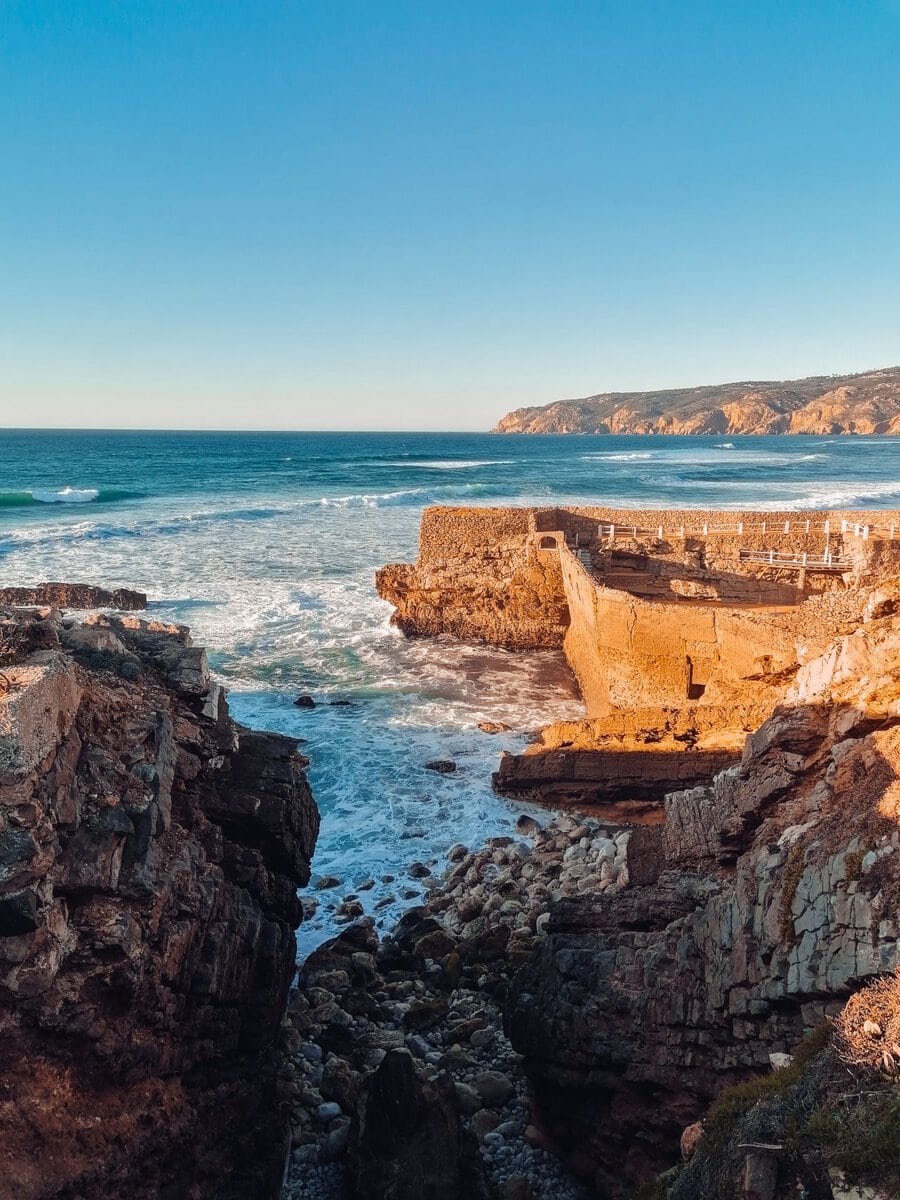
See Boca do Inferno. This sea chasm and rock arch sits about 2 km west of central Cascais, an easy walk along the coast. The viewpoints are free, and the waves put on a show when a swell is running. Parts of the area may close in rough weather.

Take a 4×4 tour to Sintra and Cabo da Roca. A small group jeep trip of about six hours, for up to nine people, links the Sintra hills with the cliffs at the western tip of mainland Europe. It starts in Sintra and finishes in Cascais. Monument entry tickets cost extra, so budget for those.

Frequently asked questions

July and August are the prime months, inside a main season that runs from May to September. The north wind usually builds from around midday, so afternoons give you the strongest riding. April and October can work too, with a better chance of swell and less certain wind.

Guincho is a tough place to learn, and solo riding suits experienced kiters. Gusts, currents, shorebreak and rocks leave little room for mistakes. If you are new, book an instructor, who may use the gentler southern side or take you to a calmer beach nearby when conditions call for it.

Yes, you can wingfoil at Guincho, with local lessons and gear rental available. Beginners can start by being towed on the foil behind a jet ski before adding the wing. Wind and swell decide the timetable, so expect your school to move a session if the sea is too rough.

quick links
Kitesurfing spots in Guincho

Kite schools in Guincho

All schools in Portugal →

Nothing here.

Do you run a school in this location?


Add it on Kiterr

Map of Guincho

New on Kiterr
The Kiterr Marketplace is live
Buy & Sell new, used or ex-demo kitesurfing, wingfoil and snowkite gear. Sold by kite schools or private sellers.
Who is it for
  • Anyone looking to buy Brand New, Used or Demo gear
  • Kite schools selling rental and demo stock
  • Anyone selling their own kit
Selling fees
Kite schools

Free

Free listings for schools on Kiterr with a verified website.
Private sellers

€1.99

per listing
A small one-off fee for each item you list.