Windy sports need windy spots!
There was nothing here once. A small fishing village on the north coast of Hispaniola, a bay with a protective reef, and wind. Lots of wind. In the early 1980s, Canadian windsurfer Jean Laporte arrived on that beach and was, by most accounts, literally blown off his feet. He came back. Others followed. By the late 1980s, Cabarete had earned its place in the global windsurfing press, and the word spread the only way it could back then, person to person, session to session, the story told over a Presidente to whoever would listen. Kitesurfing arrived in the late 1990s, and the party never really stopped.
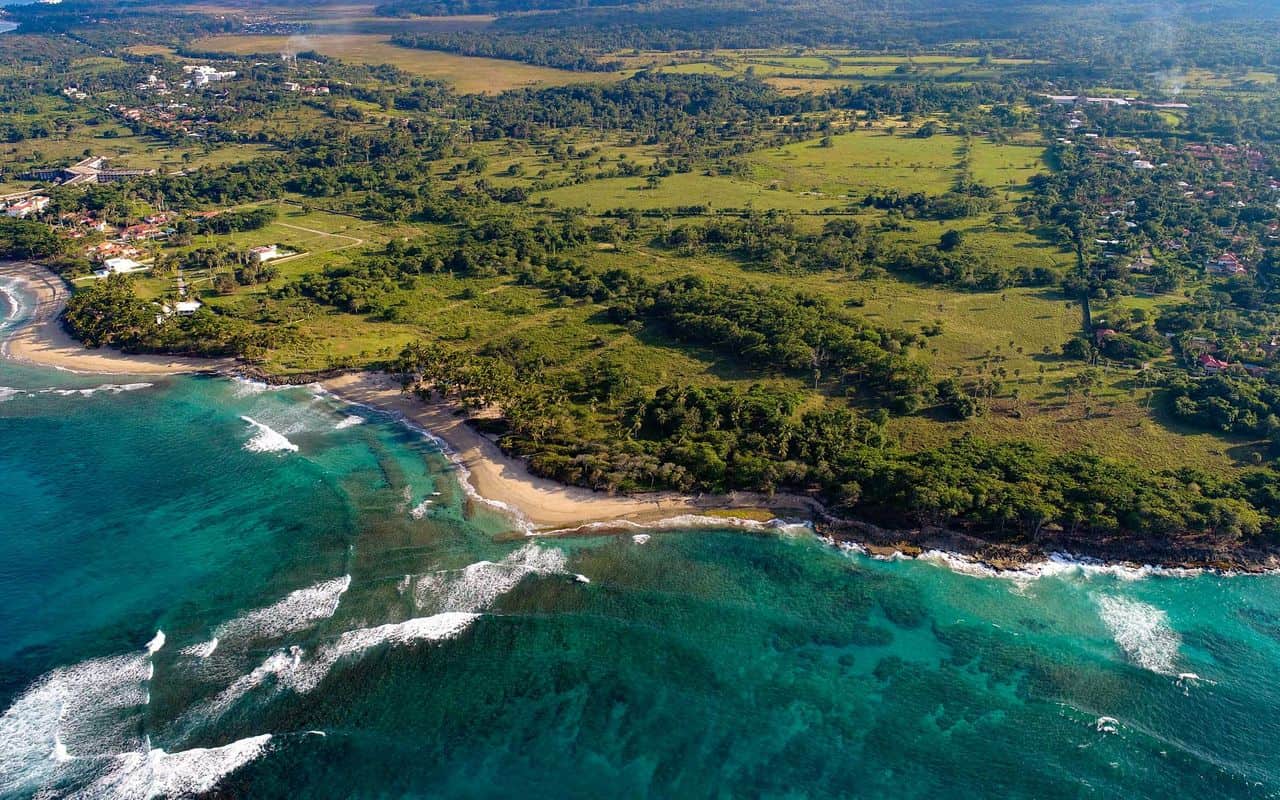
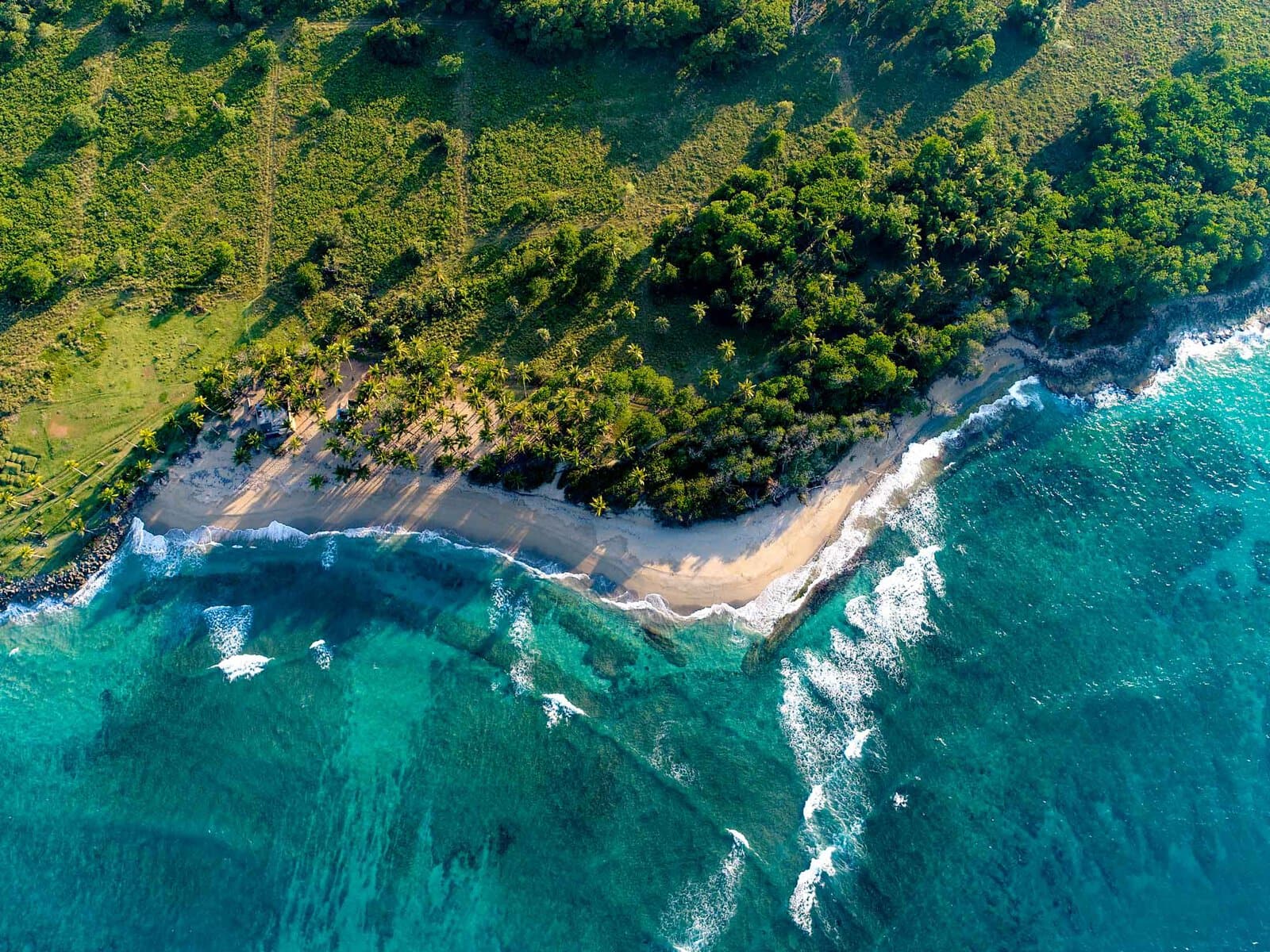
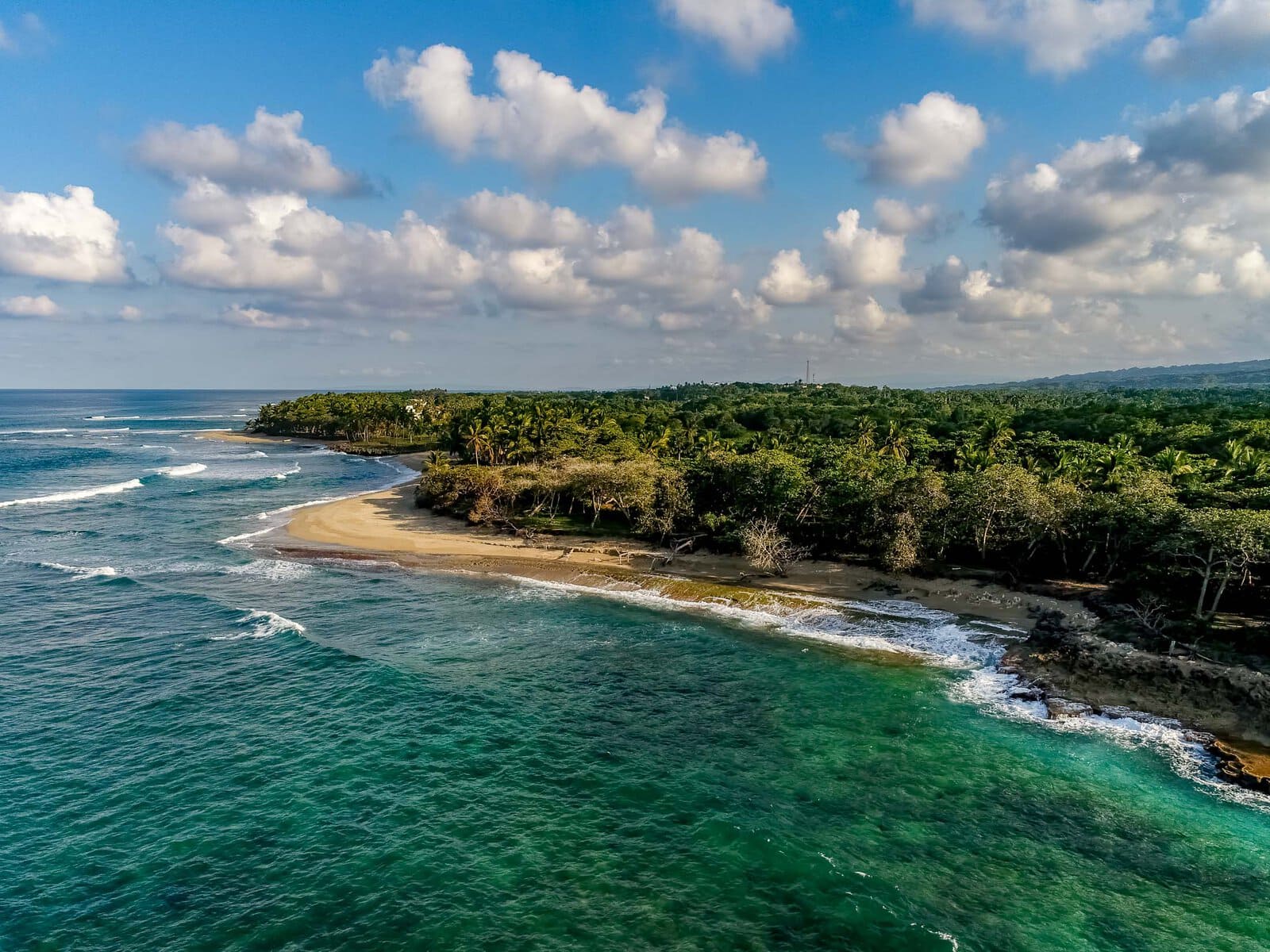
Today, Cabarete sits on a four-kilometre stretch of the north coast of the Dominican Republic, roughly 20 minutes east of Puerto Plata airport. It’s squeezed between the Atlantic Ocean and a chain of lagoons, flanked by reef breaks, and served by trade winds that blow off the Atlantic almost every day of the year. The town itself is a particular kind of Caribbean hybrid: Spanish colonial, expat, surf culture, Dominican street food, high-end yoga retreats, and budget hostels all existing in the same four-kilometre radius. Chaotic, relentlessly social, and genuinely fun. Wind chasers have been choosing it over sleepier Caribbean alternatives for four decades. There’s a reason for that.
The kitesurfing in Cabarete is not subtle. Waves, reef breaks, flat-water lagoons, a proper freestyle scene, and a community of local riders who push the standard higher than most destinations in the world. Professionals at the top of the sport train here year-round. The IKA Freestyle Kite World Cup is held on Kite Beach, typically in June or July. Watching that, even casually from the beach with a cold beer, is reason enough to visit.
Kitesurfing season in Cabarete
Cabarete’s reputation, around 250 to 300 kitable days per year, comes from three overlapping wind systems. Why does Cabarete have wind almost every day?
The Alizé is the northeasterly trade wind that sweeps across the Atlantic year-round. These are the foundational, predictable winds that made Cabarete famous in the first place. Thermal wind is particularly strong in the summer months: as the land heats up through the morning, hot air rises and cooler ocean air rushes in to replace it, building wind reliably from around midday through the late afternoon. This is why summer is Cabarete’s most consistent window, even when the trade winds ease slightly. In the winter months, North Atlantic storm fronts push through and deliver strong, dense air from the north. Powerful wind, sometimes gusty, but very much rideable.
So the question in Cabarete is rarely “will there be wind?” It’s “how much?”
Average Yearly Wind Speeds at this location in Knots
- January:
- 15 knots
- February:
- 16 knots
- March:
- 15 knots
- April:
- 16 knots
- May:
- 17 knots
- June:
- 20 knots
- July:
- 22 knots
- August:
- 20 knots
- September:
- 13 knots
- October:
- 12 knots
- November:
- 13 knots
- December:
- 15 knots
| Month | Average Wind Speed (knots) |
|---|---|
| January | 15 |
| February | 16 |
| March | 15 |
| April | 16 |
| May | 17 |
| June | 20 |
| July | 22 |
| August | 20 |
| September | 13 |
| October | 12 |
| November | 13 |
| December | 15 |
These are daytime averages. Peak afternoon gusts in the summer months regularly hit 25–28 knots. September and October are Cabarete’s weakest months. Wind can still show up, but if you’re flying out specifically to kite, avoid them.
Wind tends to build slowly through the morning, picking up noticeably around midday and peaking around 4PM. Most riders are on the water from noon to sunset. Mornings are calm enough to surf Encuentro or do a yoga class without the wind whipping your face. It dies around 6PM, leaving evenings genuinely pleasant.
Water temperature sits between 25°C and 30°C at all times of the year. No wetsuit required. A rashie is useful for sun protection, particularly in summer. In the coolest winter months, some riders wear a light shorty for extended sessions. Air temperature runs 25°C to 32°C depending on the season.
Kitesurfing season by season
Summer: June to August (peak season)
This is Cabarete at its most reliable. Trade winds combine with thermal lift from the Caribbean heat, and the result is consistent wind from around 11am to 6pm, averaging 20-25 knots, with frequent peaks above that. The sea inside the reef calms down compared to winter, choppier than flat but manageable, while reef breaks fire regularly outside. The IKA Freestyle Kite World Cup happens during this window, bringing in the world’s best riders.
Kite sizes: most riders are on 7m to 11m. If you’re on the heavier side, bring a 12m as backup for lighter days.
Kite Beach gets crowded in the afternoons. Lesson students tend to launch from the western end of the bay, near the point, so experienced riders know to give that zone space.
Spring shoulder: April to May
Wind averages 15-18 knots and is building toward the summer peak. Fewer crowds than June to August. A solid window for intermediate riders who want good sessions without the circus.
Winter: December to March
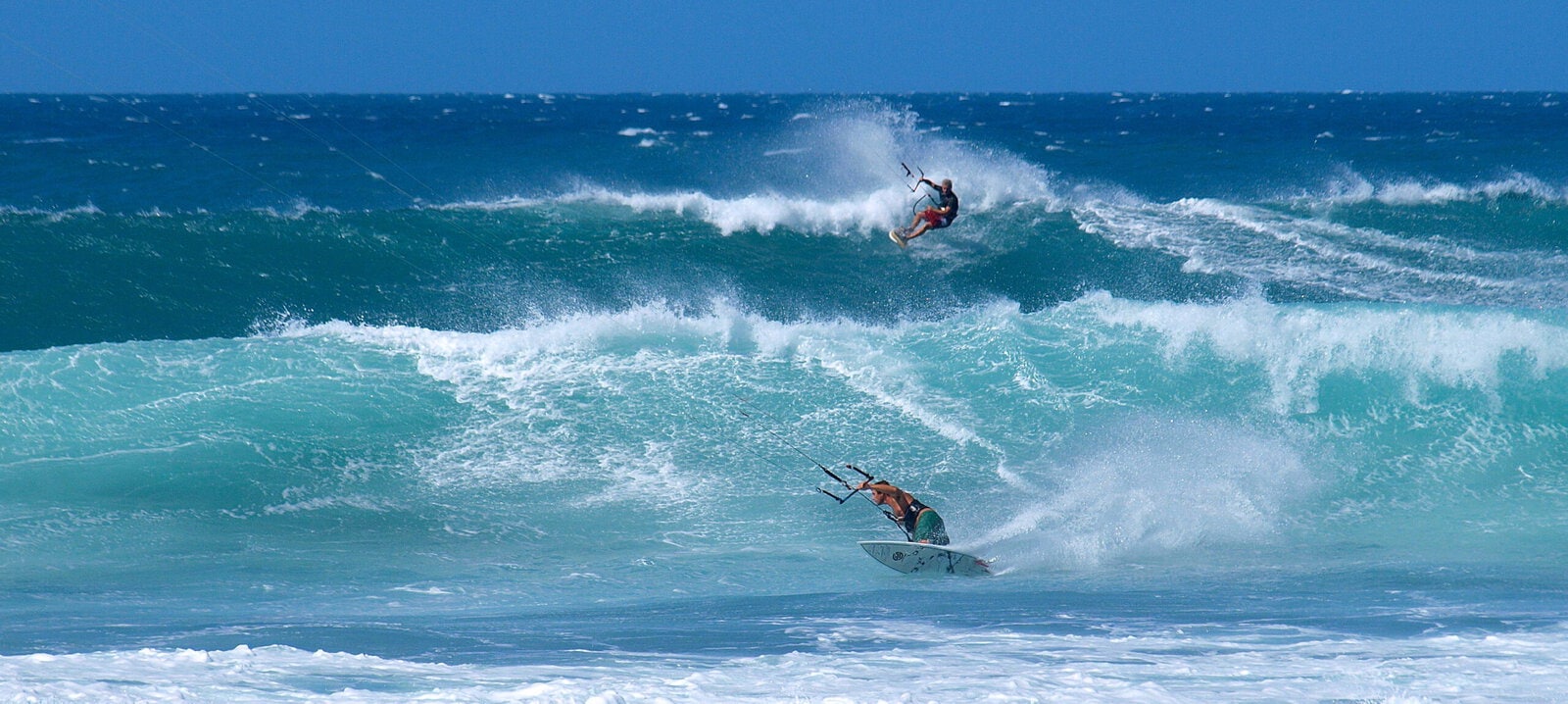
Wind is driven by storm fronts rather than thermals. Strong days can hit 20–25 knots, but direction can be more variable, a frontal passage can mean a big day followed by a quieter one. The reef breaks in winter are the most powerful of the year, with north and northeast swells wrapping in and creating proper wave riding conditions at Encuentro and the outer sections of Kite Beach. This is wave season.
Water is slightly cooler at 25-26°C. Many riders prefer a long-sleeved rashie for extended sessions. Kite sizes: 8m to 12m. Have a bigger kite ready for the gaps between fronts.
October to November (low season)
September is the lightest month of the year, and October is not much better. If you find yourself in Cabarete during this window, check the forecast daily and use the quiet days to explore the island. Foil gear becomes relevant here, even 10-12 knots is a session on a kite foil.
El Niño and La Niña:
El Niño disrupts the trade wind pattern and can cause extended wind lulls across the Caribbean. When it’s active, wind reliability drops across all months. La Niña is the opposite, trade winds strengthen, the season extends, and conditions are simply better. Worth checking which phase is active before you book.
Hurricane season:
The official Atlantic hurricane season runs from July to November. Cabarete’s north-coast location provides significant protection, the Dominican Republic’s central mountain ranges and island geography mean direct impacts on Cabarete are rare. Locals say the town hasn’t taken a direct hit in over a century. Tropical storms can still disturb the wind pattern, particularly in September and October. Monitor forecasts if you’re travelling during those months.
Kitesurfing spots in Cabarete
The Cabarete coastline runs roughly four kilometres from Cabarete Bay in the east to Encuentro in the west. Most riders spend their trip moving between two or three spots depending on conditions and what they’re after.
1. Cabarete Bay (La Bahía)
The eastern anchor of the coast, directly in front of the town. Windsurfers set up here, along with the main beach bars and restaurants. Kitesurfers do ride the bay, but the mix of windsurfers, SUP boards, and general beach traffic makes the launch area fairly chaotic. If you want a kite session, walking west toward Bozo Beach or driving to Kite Beach is the better call.
The bay does have a reef break at the outer edge that catches swell. If you get here early morning with light traffic, it can work as a pleasant warm-up before the crowds arrive.
Wind: ENE to E, side-onshore. Water: choppy inside, waves on the reef. Access: walk in from any point along the beach.
2. Bozo Beach (Punta Goleta)

Sitting between Cabarete Bay and Kite Beach, Bozo Beach is a wide open stretch of sand with a large bay protected by the reef about a kilometre offshore. Several kite schools are based here, and the water gives you room to move.
The bay gets choppy, but chop means kickers, and Bozo Beach has been a freestyle and jump session favourite for years. The reef a kilometre out breaks properly in bigger swell and provides wave riding options for those who want to push further out.
Who it suits: intermediate and above. The shore break here can be challenging, particularly between February and April when winter swell is at its strongest. Beginners should watch experienced riders launch before going in. The entry and exit are among the trickier sections on the Cabarete coast during swell season.
Hazards: shore break in February to April, shallow sections on the outer reef, afternoon crowds when schools are running.
Bozo Beach tends to be less crowded than Kite Beach even in high season. If you want space and don’t mind skipping the scene, it’s a good alternative.
Wind: ENE to E, side-onshore from the right. Water: choppy, small to medium waves at the reef.
3. Kite Beach

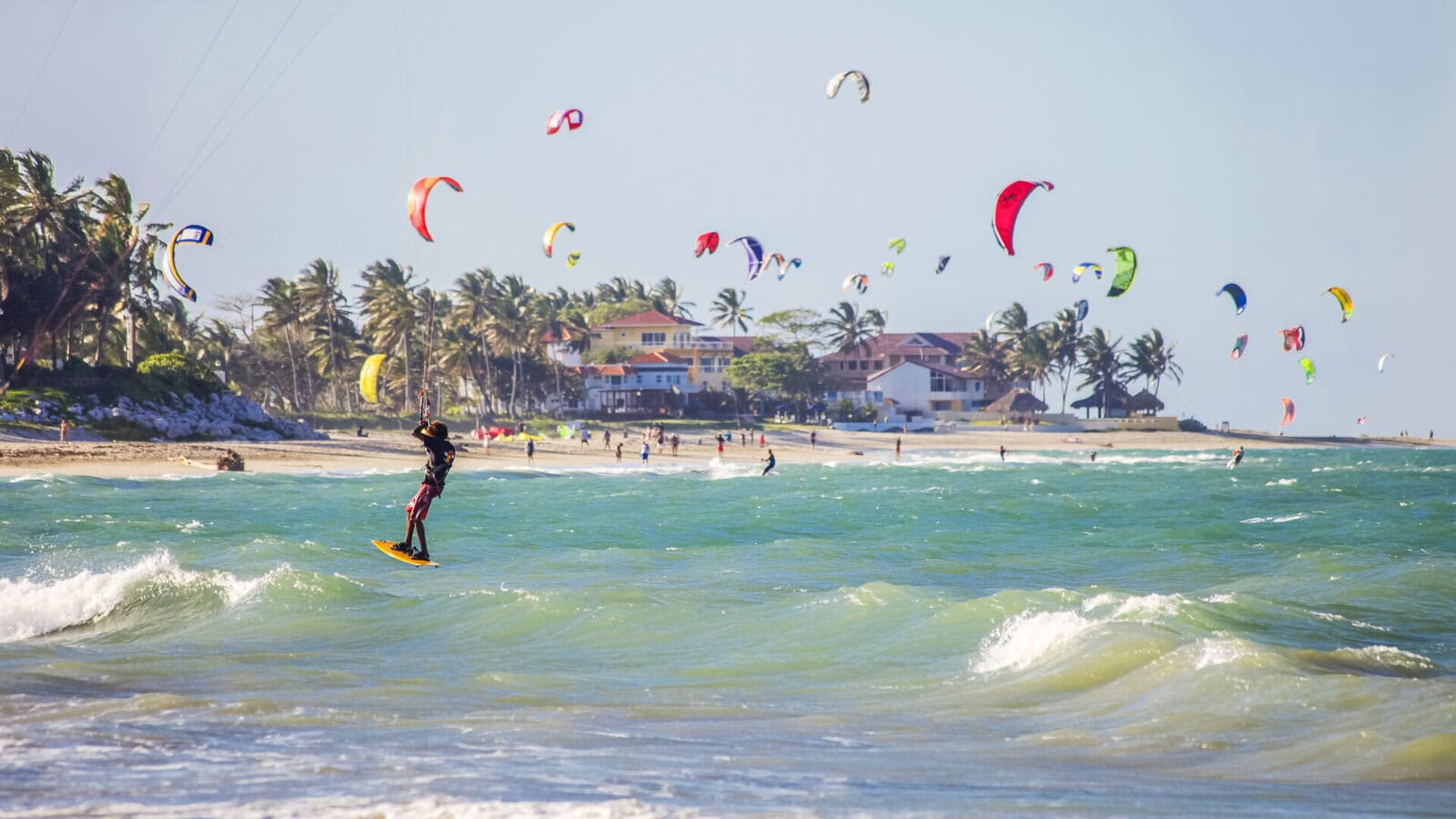
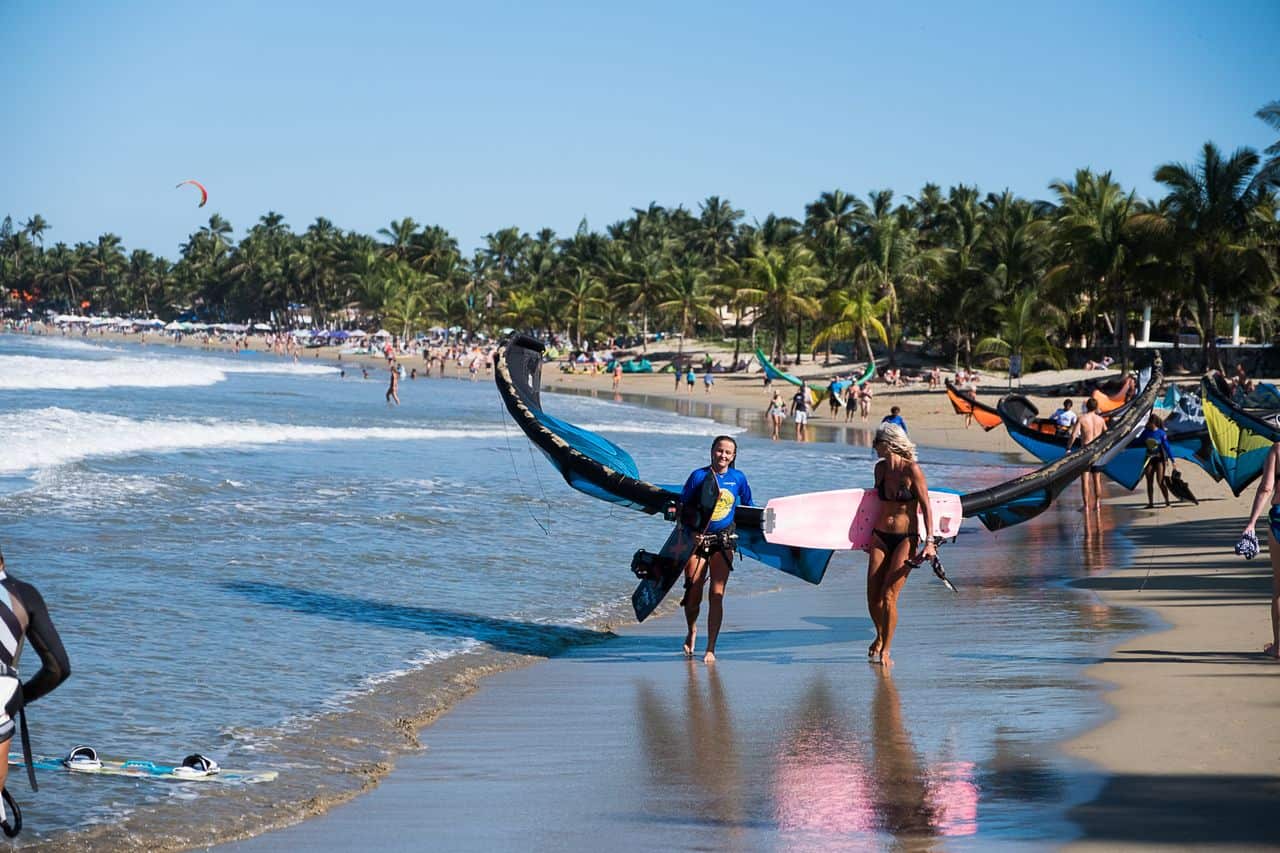
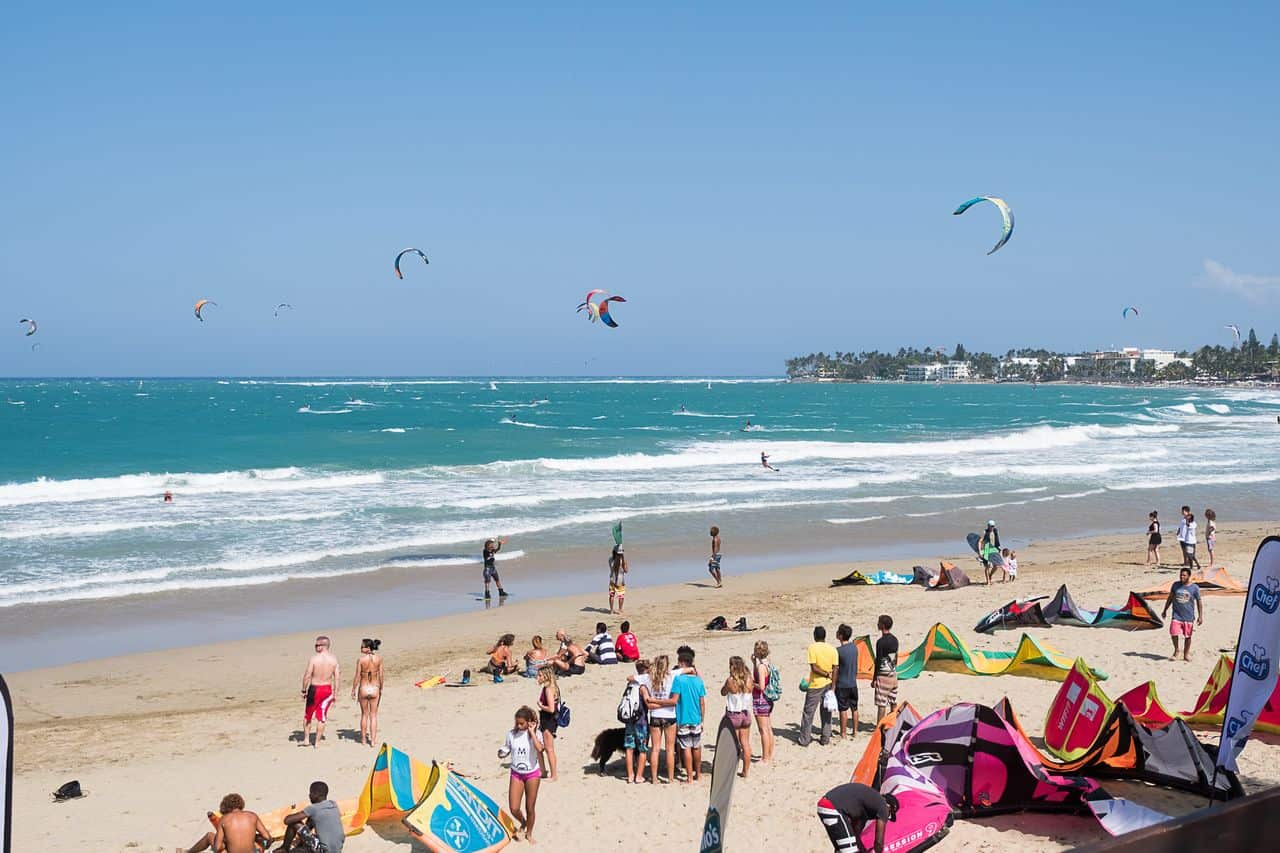
The legendary Kite Beach in the Dominican Republic is the nerve centre of kitesurfing in Cabarete. The schools are here, the cafe is here, the pros are here. In the afternoons in June and July, it looks like a kite festival with somewhere between 50 and 100 kites in the air at once. Some people love it. Others head straight to La Boca.
The bay has a protective reef about 300 metres offshore. Inside the reef, the water is choppier than a lagoon but flatter than open ocean. Beginners learn at the point, the western end of the bay where the current brings them back in. Freestylers work the chop in the middle. Wave riders head outside the reef, where swell comes in and sets up proper down-the-line wave riding. The setup works for almost every discipline, which is why it’s the centre of operations.
Wind: ENE to E, side-onshore from the right, strongest from midday to 5PM. The bay is oriented well, riders can go upwind with confidence and drift back across the bay on the way home.
Water: inside the reef, choppy, generally knee to waist deep in the shallows. Outside the reef: rolling swell, proper waves, sharper conditions. Sandy bottom inside. Reef outside, booties are worth it if you’re spending time near the reef edges.
Who it suits: all levels, genuinely. Beginners at the point under school supervision. Intermediate riders in the bay. Advanced riders outside the reef for waves. The IKA Freestyle Kite World Cup is held here, which tells you what the top end of the riding looks like.
Hazards: crowds in peak season, beginners launching from the point (give them space), reef outside the bay if you’re running far downwind.
Locals like to throw their best tricks close to shore in the afternoon. Good to watch, occasionally inconvenient if you’re trying to land. Pick your line in the middle of the bay and let them have the spectator zone.
4. The G-spot
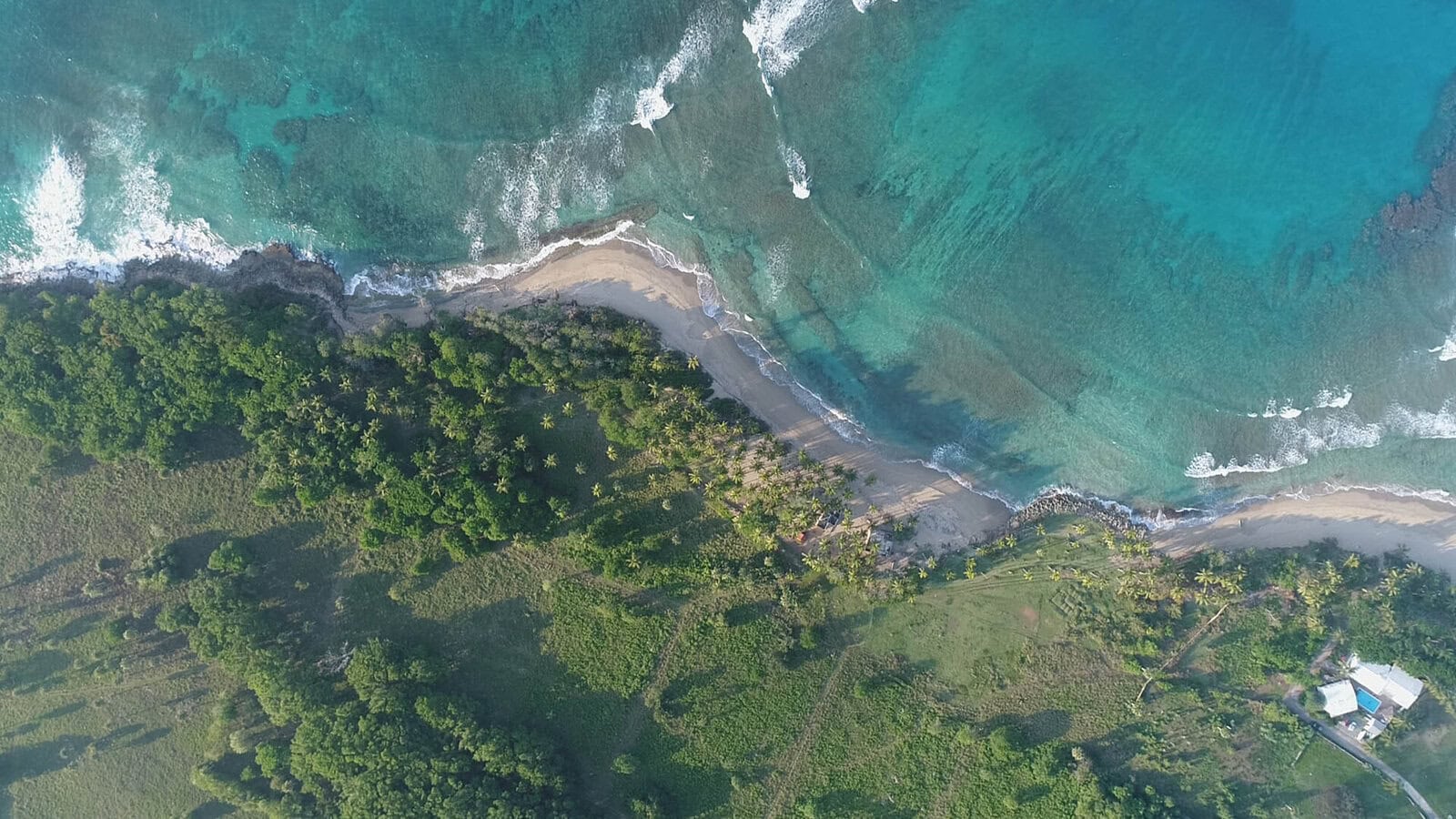
Everybody likes to hit the “G-Spot”, a secret break between Encuentro and Kite Beach Cabarete. Sweet for wave riding. between the two kitespots, there’s a reef section that locals call the G-Spot. It sits along the outer reef, positioned upwind from Playa Encuentro and downwind from Kite Beach. It works when the swell angle aligns right and the wind has enough push. It’s not marked, not signposted, and the name has been in use long enough that nobody seems entirely sure who coined it.
Do not attempt to kite upwind directly from shore. Instead, launch your kite at Kite Beach Cabarete and ride a downwinder toward Encuentro, keeping an eye on the outer reef where the wave wraps. You’ll know you’re there when the swell stacks up, and the wave shape suddenly gets much better than the sections either side. You know when you’ve hit the G-Spot. Ask at any kite school on Kite Beach, and someone will point you in the right direction. Best in the afternoon when the wind is up, and the swell is running from the north or northeast.
But watch Your Step. This is an open-ocean wave break, it’s not monitored, no rescue boats. You should only attempt this with a buddy or as part of a guided downwinder.
5. Encuentro Beach

Encuentro is four kilometres west of central Cabarete and is primarily a surf break. Surfers are there from first light, working the multiple reef peaks that line the beach. Kitesurfers share the break in the afternoons, once the wind is established and the surf crowd has thinned.
The conditions are serious. Coco Pipe, the main break, is a fast, heavy reef break that handles north and northeast swell with authority. There are left and right options along the beach depending on swell angle. This is expert-level wave riding. Beginners and intermediates should watch from the beach and come back later.
The exit at Encuentro is genuinely difficult, rocky shore reef, sea urchins in the shallower sections (booties are essential here, not optional), and no easy place to land your kite if something goes wrong. No kite schools operate from Encuentro. You need your own support or a solid self-landing plan. Some riders do the downwinder from Kite Beach to Encuentro and arrange pickup at the beach. That’s the cleaner way to experience the break without dealing with the launch.
Wind: picks up in the afternoon, best from E to ENE. Morning wind is usually too light for kiting. Water: reef breaks, waves, not flat. Sandy channels between peaks but reef throughout.
Who it suits: experienced wave riders who know what they’re doing. If you’re asking whether Encuentro is for you, it probably isn’t yet.
6. La Boca de Yasica

Seven kilometres southeast of Cabarete, the Yasica River meets the ocean and creates a flat-water lagoon. The lagoon is shallow, glassy, and sheltered, as different from Encuentro as a spot can get while still being the same sport.
La Boca is a serious flat-water freestyle spot. The lack of chop lets riders load edges properly, pop cleanly, and work on unhooked tricks without the water roughing them up between attempts. Riders working on handle passes, kite loops, or technical transitions come here specifically for the cleaner surface.
The spot is small and fills up quickly. Seven or eight riders in the lagoon starts to feel crowded. Get there early. The launch area is hectic. It’s a tight entry with trees close by, and you need to know what you’re doing before you go in.
After the session, Wilson’s BBQ is the ritual. A small shack near the lagoon that serves grilled food to a rotating crowd of kiters. Session on the lagoon, plate of food from Wilson’s – that’s a La Boca day done right.
Wind: side-shore cross winds once you’re into the river mouth, can be gusty near the tree line on the south bank. Water: flat to glassy in the lagoon, heavier shore break on the ocean side. Hazards: floating debris in the river after rain, tight launch zone, small area when it fills up. Who it suits: intermediate to advanced, particularly freestylers.
No wind?
If you find that paradise holds back the wind (unlikely) and you’re bored (even more unlikely), then fear not! Light-wind days are not wasted days. This is a place built around being active, and there’s plenty to do.
Here are 5 things to keep you entertained on those down days.
Surf Encuentro.
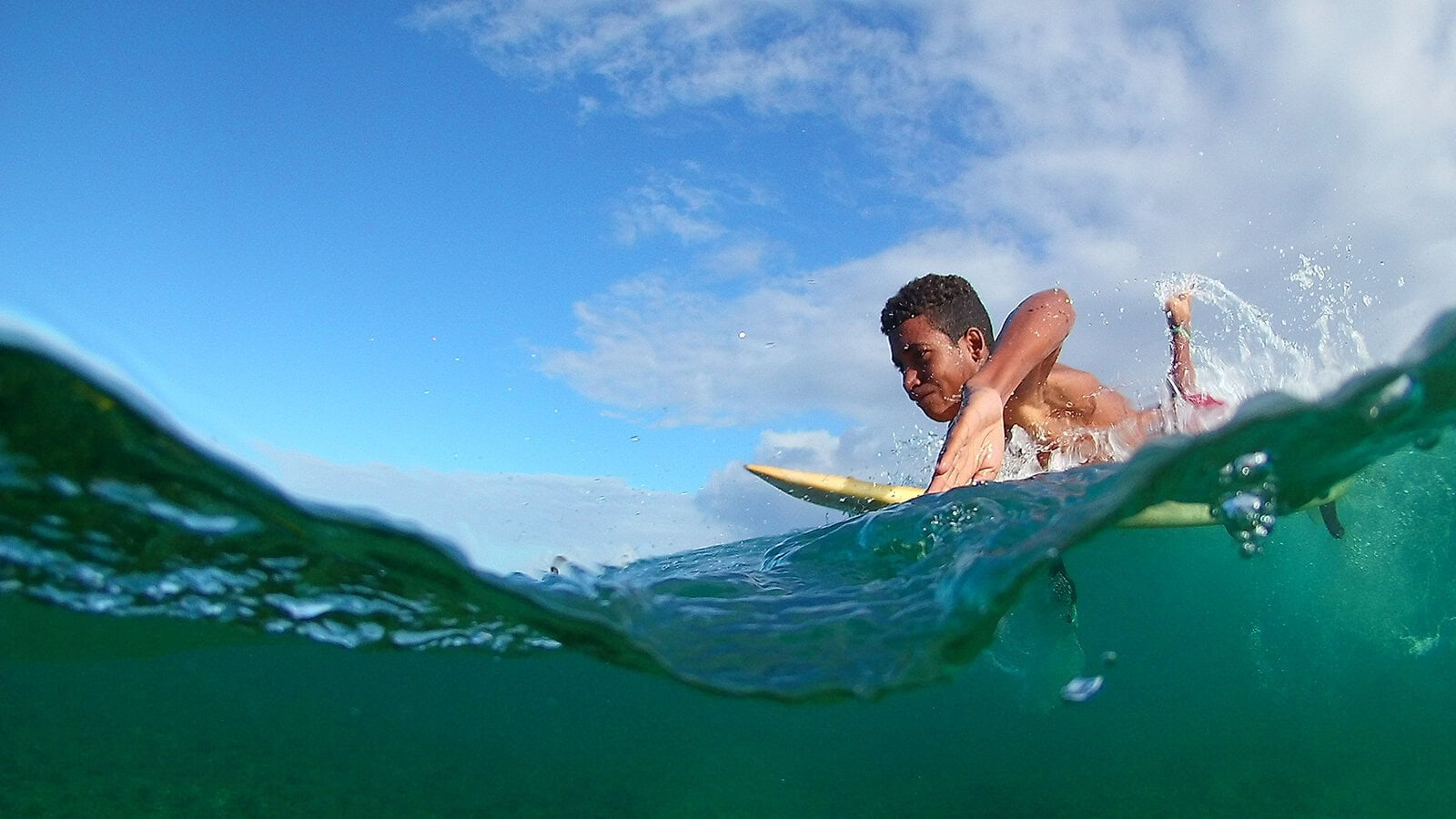
The reef breaks are best in the morning before the trade winds push the surface choppy. Surf schools open at first light and the early sessions on a smaller day are exactly as good as they look. If you haven’t tried surfing yet, this is a reasonable place to start.
The 27 Charcos at Damajagua.
An hour’s drive south into the hills, the Damajagua canyon is a river gorge with 27 cascading pools connected by waterfalls and natural slides. Guides take you up through the jungle and then you jump, slide, and swim back down. It’s properly physical and properly fun. The bottom pools are calm. The higher ones require the kind of commitment that makes jumping off a kite feel gentle.
Snorkelling at Sosúa Bay.
Fifteen minutes east by car or motoconcho, Sosúa has a sheltered bay with good underwater visibility and a reef full of tropical fish. The water stays calm on most days regardless of the wind. Gear is available on the beach.
Whale watching at Samaná (January to March).
Three hours east, Samaná Bay gets humpback whales during their winter migration. Worth the drive if you’re here in the right window.
Mamajuana.
If you’re staying put, the local drink is Mamajuana: rum and red wine infused in a bottle of tree bark and herbs, with a local reputation as a natural aphrodisiac going back to the Taíno. The origin story changes depending on who’s telling it. The drink is very much real. Try it at least once and ask at any bar in Cabarete centre.
How to get to Cabarete?
The closest airport is Puerto Plata (POP), about 20 minutes by taxi. Most international connections come through Miami, New York, Toronto, or Montréal. A private taxi from the airport to Cabarete runs around USD 25-35. Santiago (STI) is about 90 minutes away and worth checking for direct flights from your home country. Santo Domingo (SDQ) is the main international hub at four to five hours by bus or taxi. Cheaper fares sometimes make it worthwhile.
Once in Cabarete, motoconchos (motorcycle taxis) are the fastest way to cover the beach stretch. Gua-guas (shared minivans) run the coast road and are useful for longer trips to Sosúa or Puerto Plata.
Cabarete rewards repeat visits. The first trip you’re finding your feet, working out which spot suits your level, where to eat, what the vibe is. The second trip you know the drill. By the third, you’re the one telling people about the G-Spot.
Check out some other popular kitesurfing destinations in the Caribbean. Turks & Caicos, Cayman Islands or even Punta San Carlos in Mexico or Jupiter in Florida.